Event Strategy
Strategy to sell out your event.
Selling out an event isn't luck — it's a repeatable process. Here's the framework we've used across 500+ campaigns and 2M+ tickets sold.
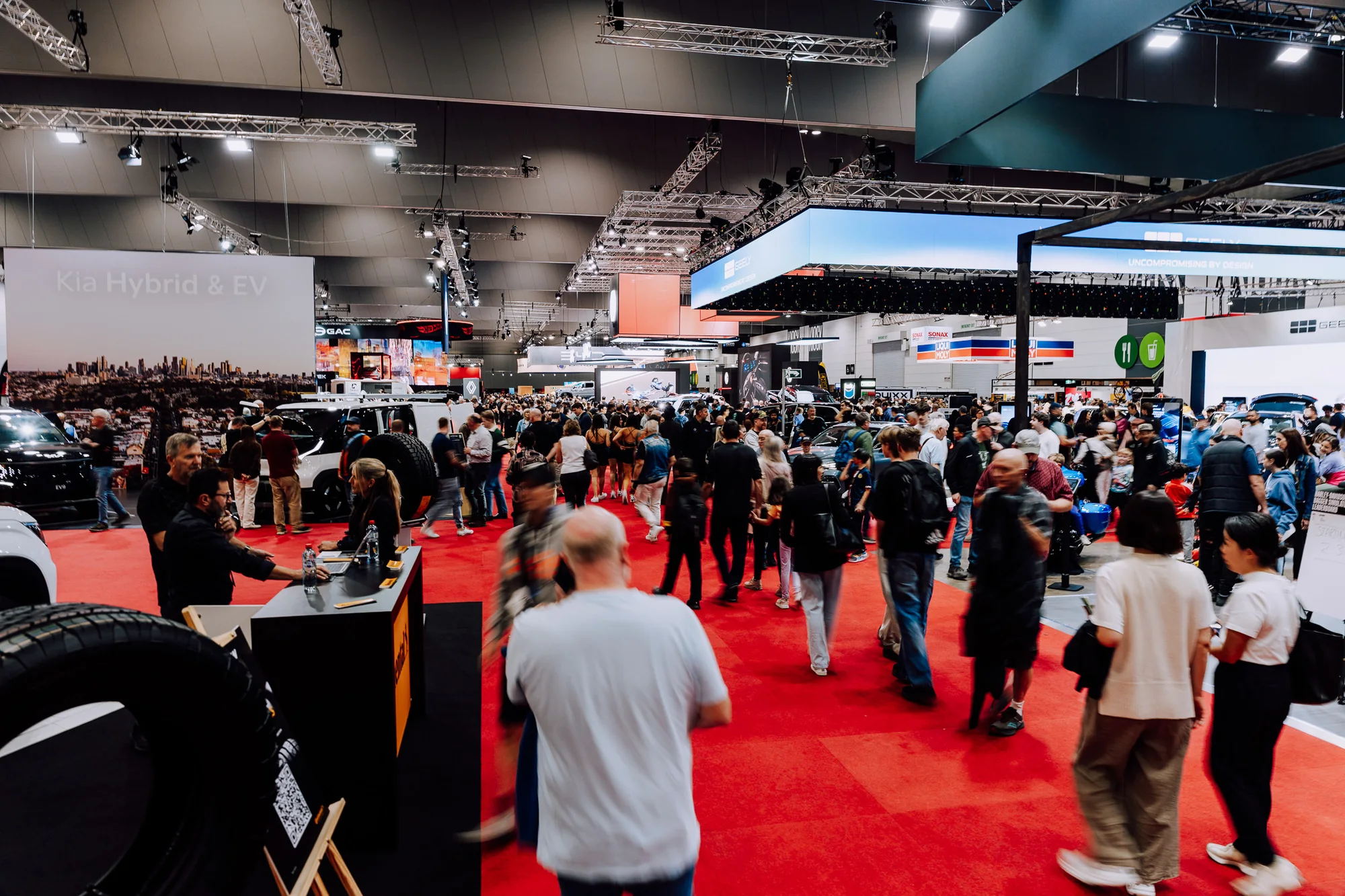
The framework
Six strategies that consistently work
Start earlier than you think
The single biggest difference between events that sell out and those that don't is campaign start date. Audiences need time to discover, consider and commit. Starting 3–6 months out builds the awareness funnel before you need it.
Segment ruthlessly
Broad messaging dilutes everything. Identify your highest-intent audience segments — previous attendees, similar event audiences, category enthusiasts, geographic clusters — and speak to each specifically.
Engineer urgency in phases
Early-bird pricing, limited-capacity releases and milestone announcements create urgency at multiple points in the campaign — not just in the final two weeks when everyone else is also urgently promoting.
Build a retargeting architecture
Website visitors, ad engagers, video viewers and past purchasers all need different messages. A structured retargeting flow keeps warm audiences moving toward conversion rather than going cold.
Use social proof
Sell-out indicators, attendee counts, testimonials and previous year highlights reduce purchase hesitation. Events feel safer to commit to when others have already committed.
Protect the final 4 weeks
Most events concentrate budget in the last month. If you've built awareness and retargeting pools early, that final push hits a warm audience — not a cold one. Budget efficiency and conversion rates are dramatically better.
In practice
What this looks like at real events
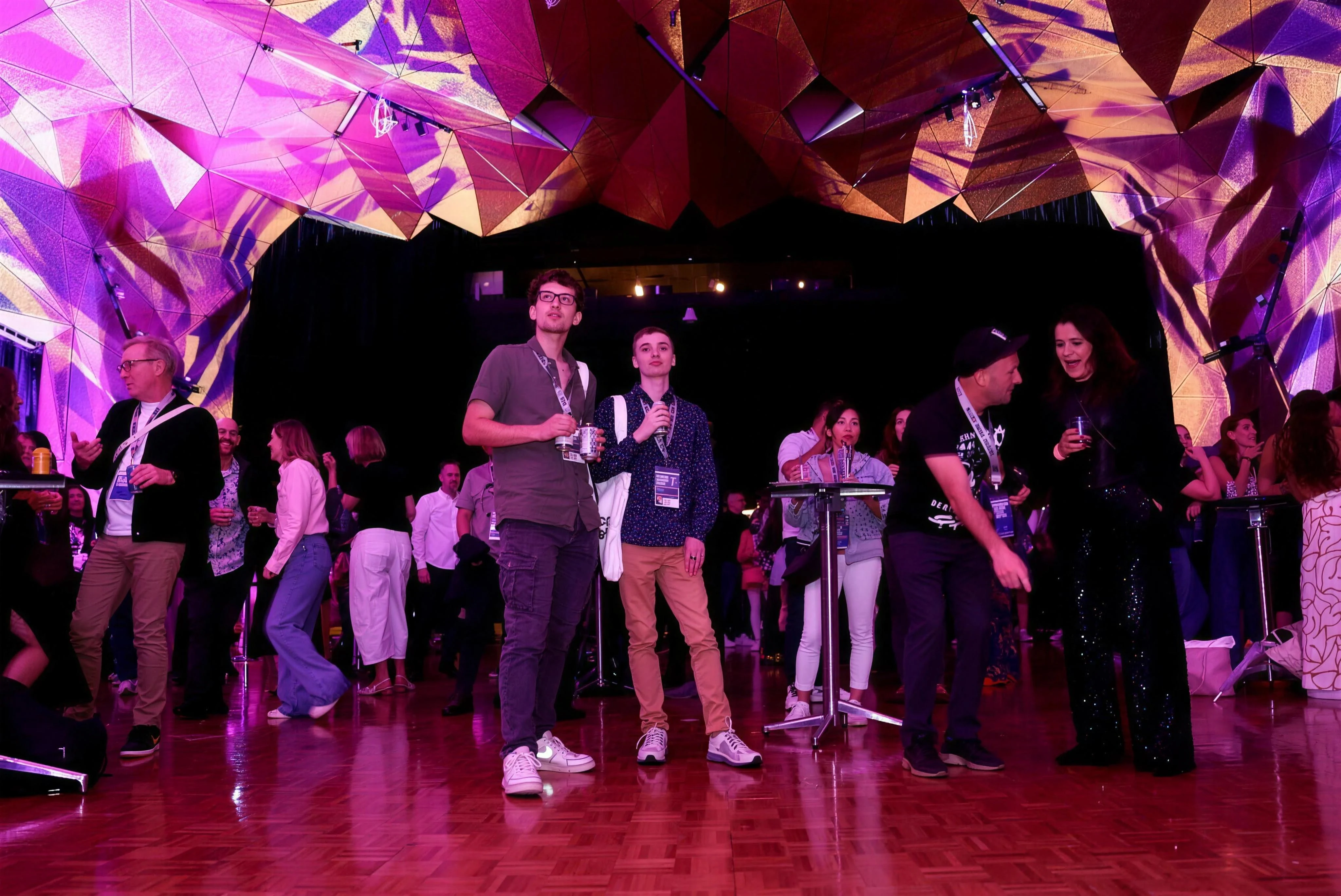
SXSW Sydney
Multi-channel campaign across Meta, Google and programmatic. Audience segmented by interest category and proximity.
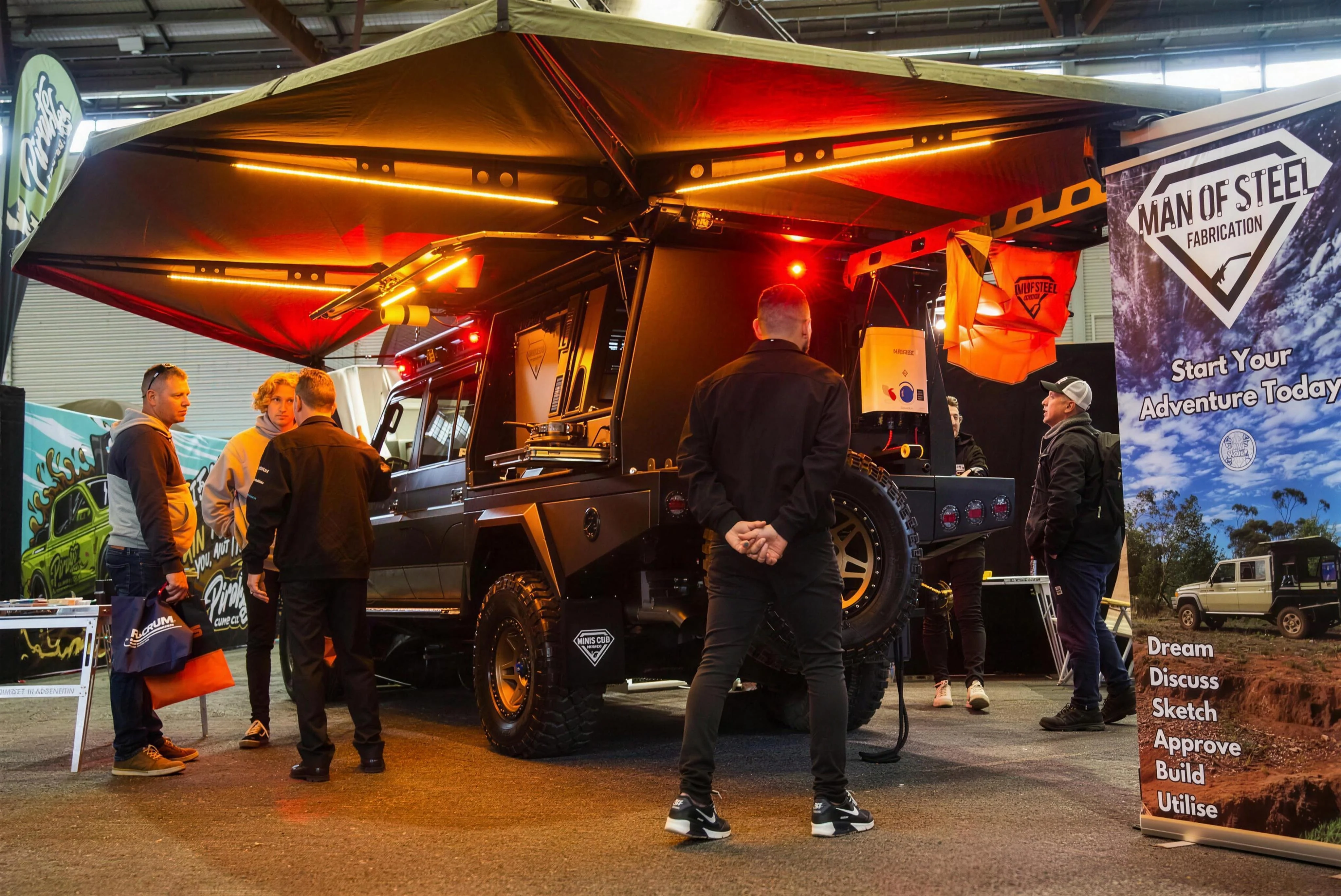
National 4x4 Outdoors Show
Exhibitor and visitor campaigns run in parallel. Audience built from 4x4, camping and outdoor interest clusters.
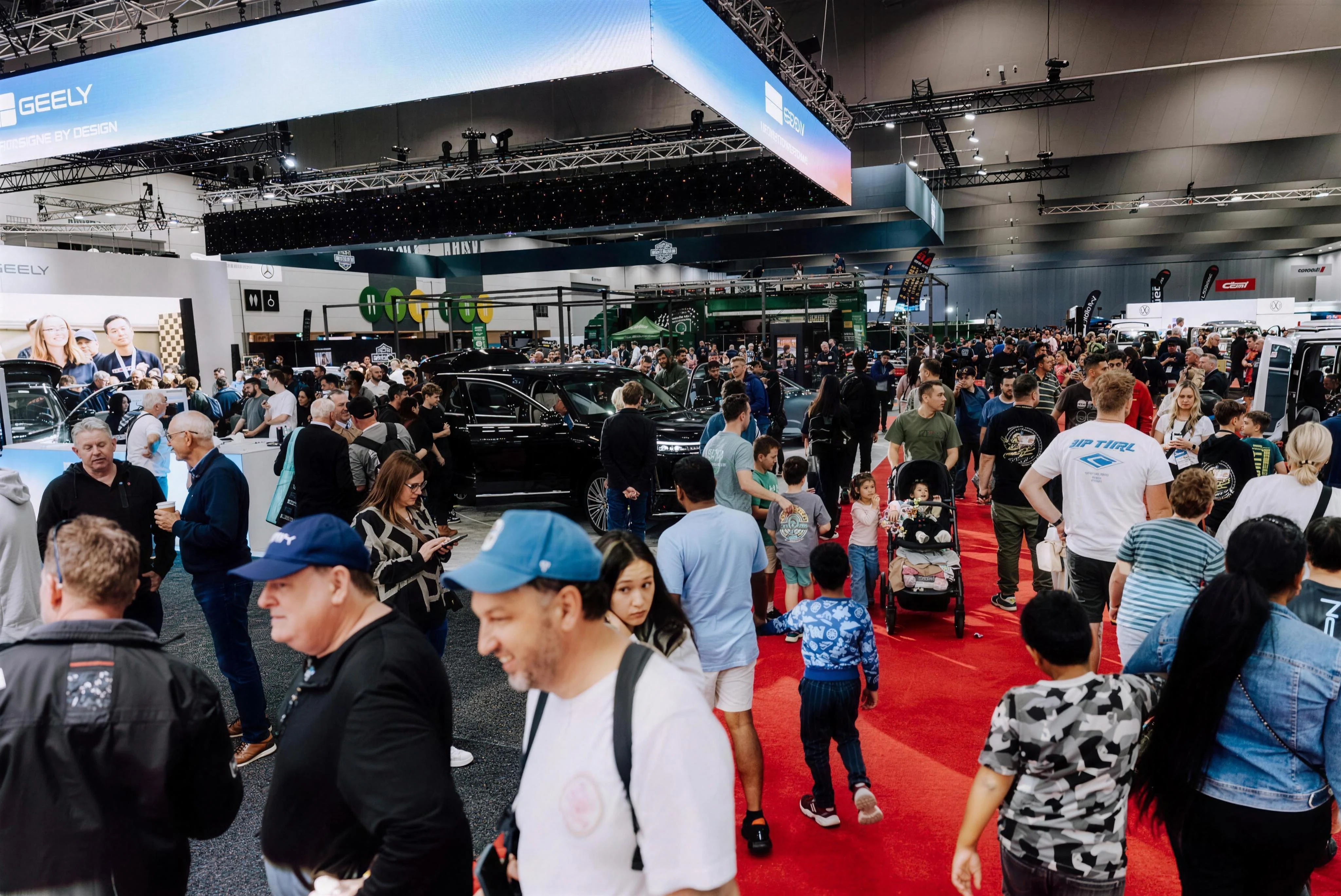
Melbourne Motor Show
Multi-platform campaign combining awareness and conversion objectives. Phased creative cadence to maintain momentum across the full campaign window.
Campaign timing
When to do what
Want us to build this strategy for your event?
Or email robin@halfeatendonut.com